Edible, medicinal, and native plants for the Pacific Northwest
We spent 13 years building an abundant fruit forest, annual veggie beds, perennial medicinal herbs, and a healthy mixed hardwood-coniferous forest and now we’ve sold our property to the next stewards so that we can begin a new homesteading project in Vermont closer to our best friends and their kids.
Don’t worry - we plan to keep this website up and running so that our customers can reference what we’ve written about our plants!
We’ll let you know once we re-start a farm in Vermont!
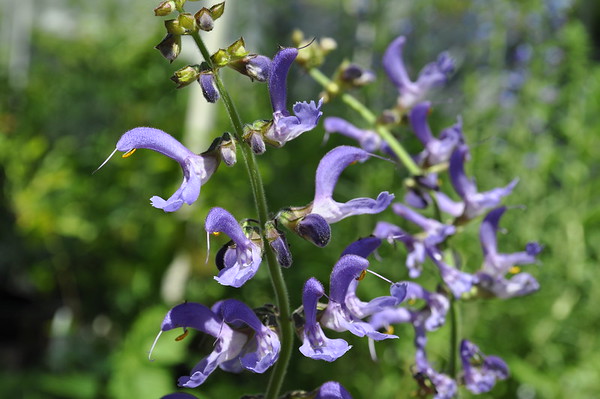
No herb garden is complete without this fragrant and savory leaf to add to pasta sauce, soup stock and more. Sage also produces beautiful and edible pink flowers that attract pollinators. Herbalists rely on the ability of sage leaves to help your body tighten and tone soggy tissues, reduce inflammation, and ward off infection. Although there are lots of varieties with colorful leaves, the seed grown sage is the best for cooking and medicine.
This variety of culinary sage bears extra large pink flowers on taller stalks than the common seed-grown sage. Although some ornamental sages have been bred so that they are no longer flavorful, Garden Grey is a fine savory addition to Italian recipes. Like common culinary sage, it has strong astringent, anti-inflammatory and antiseptic properties. Read more
The dried leaf of white sage is well known for its aroma and is excellent for smudging.
Not native to our area, it does best grown in a pot with half sand half potting soil, or planted in a greenhouse bed with some sand for extra drainage. In the garden, try planting it tucked underneath the rain protection of the eves of a house or porch, especially on the south side of the house for extra light. It usually needs some protection from the coldest winter nights. Growing it in a large pot with good drainage that you can move indoors to a garage or greenhouse during very cold weather is a good option. We have plants that survive and thrive in our greenhouse in a sand bed with a little heat on nights that drop below 25F. Read more
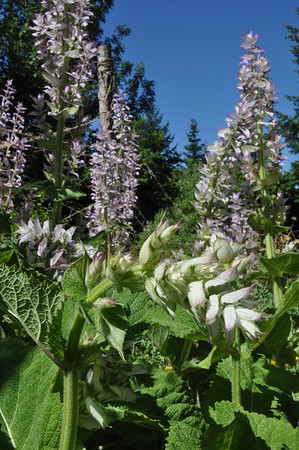
With the sweet and spicy aroma of grapefruit and pine, clary sage brightens our day with its scent as well as with its spikes of white and purple flowers. This biennial starts out the first year as a basal rosette, and then blooms up to four feet tall in the second year.
Several farmers in the Willamette Valley cultivate clary sage to harvest the essential oil. Skip the tractors and the bottling facility! Grow this wonderful herb right at home. Read more