Edible, medicinal, and native plants for the Pacific Northwest
We spent 13 years building an abundant fruit forest, annual veggie beds, perennial medicinal herbs, and a healthy mixed hardwood-coniferous forest and now we’ve sold our property to the next stewards so that we can begin a new homesteading project in Vermont closer to our best friends and their kids.
Don’t worry - we plan to keep this website up and running so that our customers can reference what we’ve written about our plants!
We’ll let you know once we re-start a farm in Vermont!
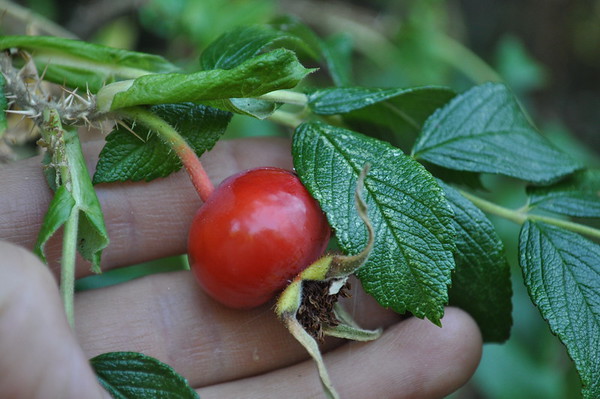
Rugosa rose is a suckering shrub native to Asia. It has large and beautiful blooms and the largest rose hips of any rose we know. The rose hips are high in vitamin C and can be eaten fresh or made into preserves, teas, and more. We also know someone who makes amazing jam from the rose petals. The plants are quite thorny and can grow up to 5 or 6 feet but respond well to pruning.
Clustered wild rose is native to the Willamette Valley and other parts of the Pacific Northwest. It is a spreading woody shrub, growing up to 6 feet tall. It is a great and easy to grow wildlife plant, perfect for hedgerows and native restoration. It can grow in sun or shade.
The rose hip fruit is edible. The flowers have a wonderfully simple and delicate rose scent. The flowers and leaves are a very gentle astringent that helps tighten and tone mucous membranes and skin. Read more
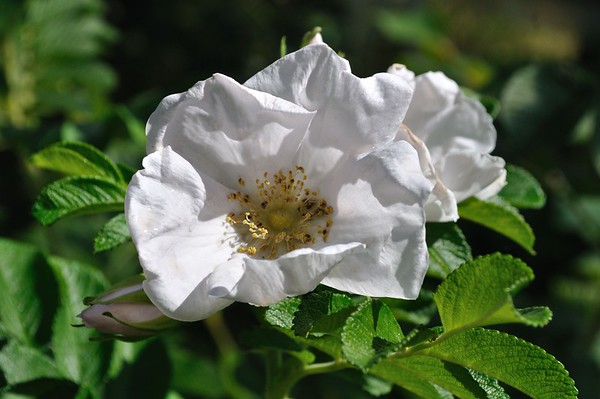
Rugosa rose is a suckering shrub native to asia. It has large and beautiful blooms and the largest rose hips of any rose we know. The rose hips are high in vitamin C and can be eaten fresh or made into preserves, teas, and more. We also know someone who makes amazing jam from the rose petals. The plants are quite thorny and can grow up to 5 or 6 feet but respond well to pruning.
This variety, ‘alba’ has white flowers. Read more