Edible, medicinal, and native plants for the Pacific Northwest
We spent 13 years building an abundant fruit forest, annual veggie beds, perennial medicinal herbs, and a healthy mixed hardwood-coniferous forest and now we’ve sold our property to the next stewards so that we can begin a new homesteading project in Vermont closer to our best friends and their kids.
Don’t worry - we plan to keep this website up and running so that our customers can reference what we’ve written about our plants!
We’ll let you know once we re-start a farm in Vermont!
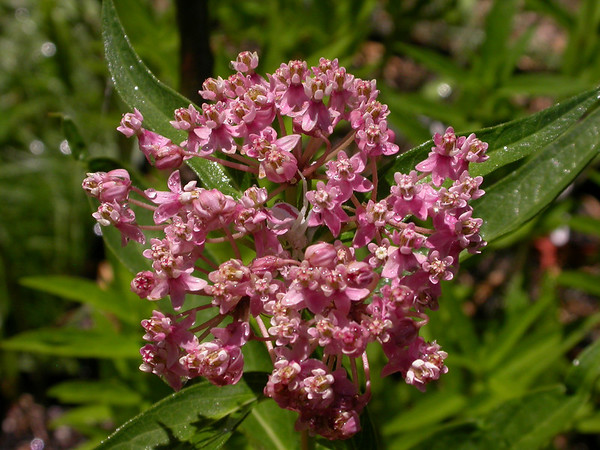
Unlike some milkweed species, swamp milkweed is a clumping perennial and does not spread by rhizomes. It has deep pink flower clusters on a two to three foot stalk. It is a host plant for monarch and other butterflies and blooms in mid-summer. Although it likes moist soils, in our climate it also appreciates good drainage and sun.
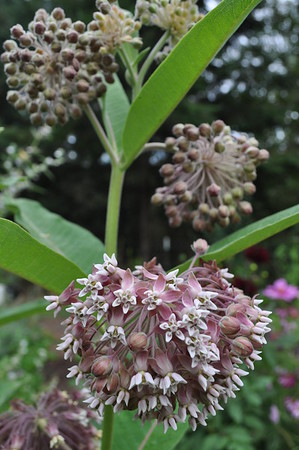
Common milkweed is very similar to our native showy milkweed, but native to eastern North America. This species is just as showy as the showy milkweed in our garden but a little more pink than white and it blooms later in the summer. Flower stalks can grow up to three or four feet and bloom with a few large flower clusters. This plant is a host for monarch and other butterflies and also has fiber and edible uses.
Plants prefer full sun and good drainage. Milky sap that emerges from a wound in the plant is toxic to mammals including humans, but only in large quantities. Read more
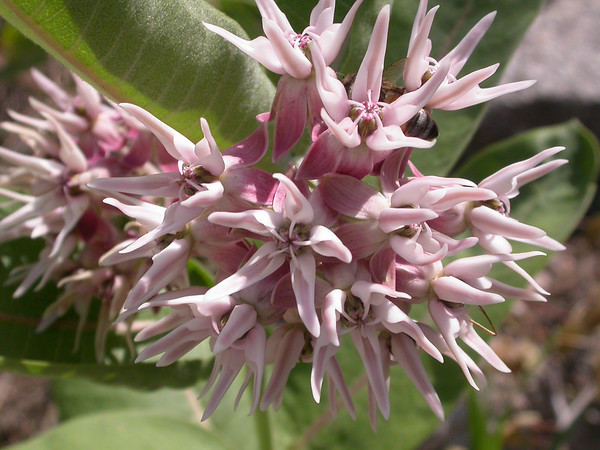
A gorgeous wildflower native to western North America, showy milkweed is a host plant for monarch butterflies. Pink and white fragrant flower clusters bloom on two or three foot stalks in mid-summer. Plants often grow in wetland areas with wet winters and dry summers. However, in a garden setting plants need well-drained soil to avoid rotting in winter. This plant spreads by rhizomes and is best planted in full sun in an area where it can spread. It is also an amazing fiber plant. Historically, flower stalks were processed into cordage and fluffy seed chaff was used to insulate and protect. Seed pods are edible at a certain stage but should only be eaten by experienced foragers. The milky sap that emerges from a wound is toxic to people and animals but easily avoided. Read more