Edible, medicinal, and native plants for the Pacific Northwest
We spent 13 years building an abundant fruit forest, annual veggie beds, perennial medicinal herbs, and a healthy mixed hardwood-coniferous forest and now we’ve sold our property to the next stewards so that we can begin a new homesteading project in Vermont closer to our best friends and their kids.
Don’t worry - we plan to keep this website up and running so that our customers can reference what we’ve written about our plants!
We’ll let you know once we re-start a farm in Vermont!
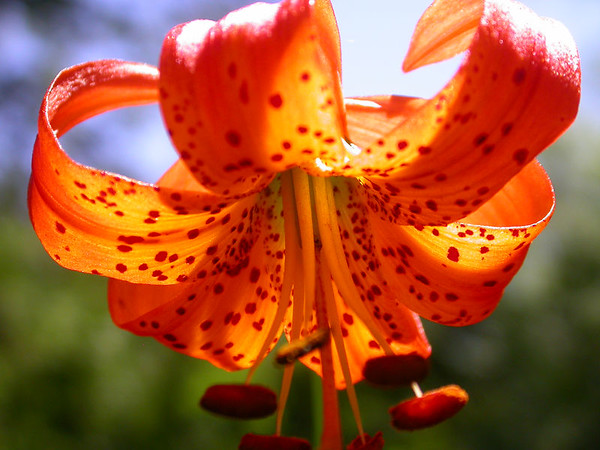
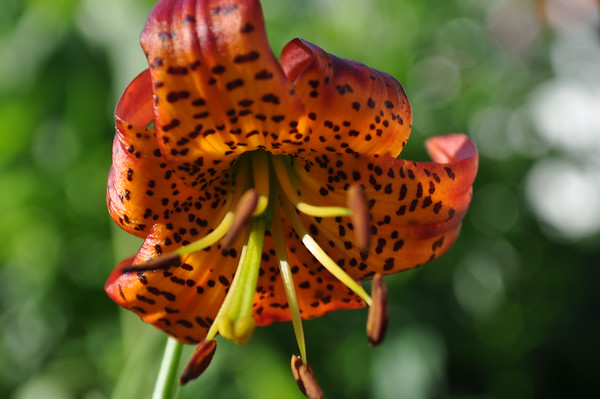
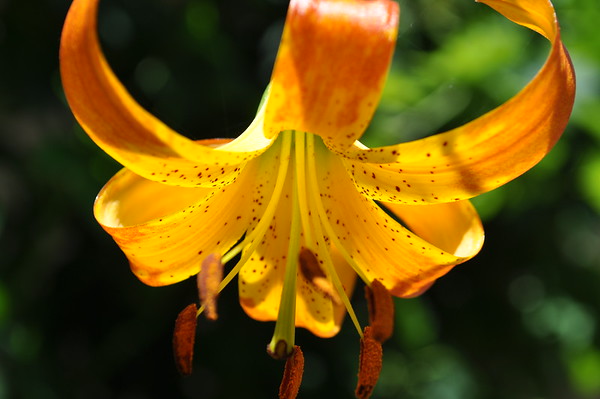
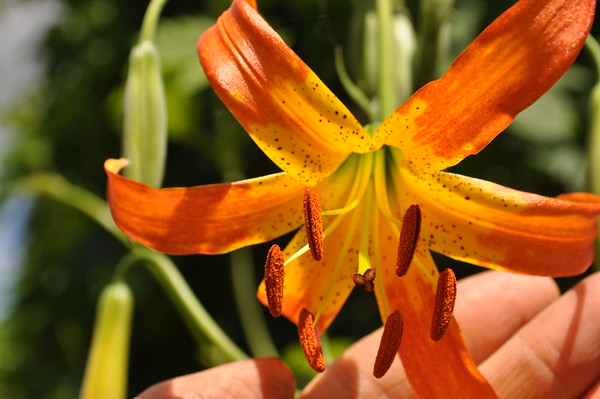
Our leopard lily mother bore seeds that were fertilized by lemon lily pollen, and this is the first generation of the hybrid. Some of the hybrid flowers turned out yellow orange with long spreading tepals, and others were red orange with quite reflexed tepals! Lemon lily is native to the southwestern U.S., and this particular leopard lily variety is native to northern California, so the next generation will be ready for warmer and drier Oregon summers.
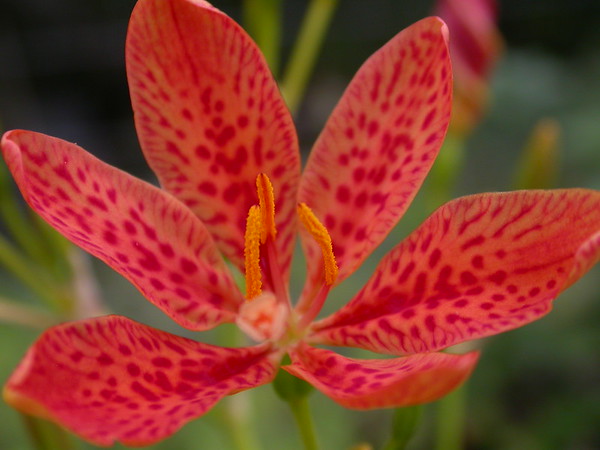
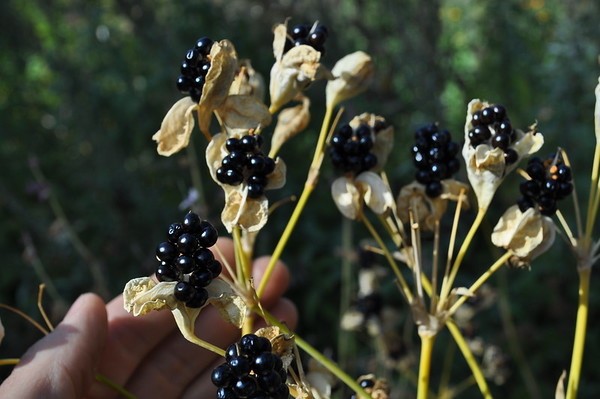
This leopard lily has now had its botanical name changed to Iris domestica. This is somewhat more accurate as it is an iris, not a lily. Leaves look like gladiolus and grow just over a foot tall. Flower stalks can reach 2 feet and the delicate showy flowers are orange with black dots. The dry fruit capsules open up to reveal black seeds that look like oversized blackberries, which has earned it the nickname “blackberry lily.” It is known in China and elsewhere for its medicinal properties. It does best in garden soil with full sun. Read more
Leopard lily is a stunning wildflower native to parts of Oregon and California. It is an herbaceous perennial growing up to 6 feet tall with multiple stalks of multiple bright red and orange spotted lily flowers, with much larger blooms than the tiger lily which is native to the Wilamette Valley. In addition to attracting pollinators, these early summer blooms make a great centerpiece in bouquets.
The plants grow well in part sun and part shade with rich soil that is moist in summer. The bulbs and flowers are edible, but they are so nice that we wouldn’t want to eat them! Read more