Edible, medicinal, and native plants for the Pacific Northwest
We spent 13 years building an abundant fruit forest, annual veggie beds, perennial medicinal herbs, and a healthy mixed hardwood-coniferous forest and now we’ve sold our property to the next stewards so that we can begin a new homesteading project in Vermont closer to our best friends and their kids.
Don’t worry - we plan to keep this website up and running so that our customers can reference what we’ve written about our plants!
We’ll let you know once we re-start a farm in Vermont!
This species of Echinacea is native to the central plains of North America, from Texas and New Mexico, all the way north into central Canada. It is the most cold hardy Echinacea and has a longer and more central tap root relative to the more fibrous roots of other species. Many herbalists prefer this species for tincturing as they consider it to be a stronger anti-bacterial and immune stimulant.
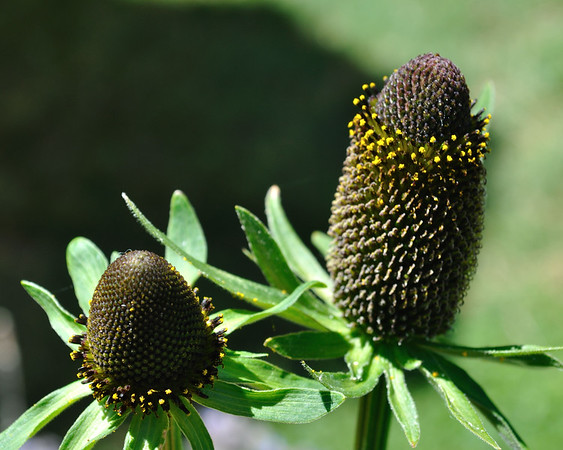
A rudbeckia native to Oregon, this wildflower has a unique bloom that resembles Echinacea or Rdbeckia but with no petals. A perennial plant, when grown in full sun and garden soil, flower stalks can reach five feet tall. A clump-forming plant, it will grow up to three or four feet wide over time. It blooms from summer into fall (small yellow flowers on the flower head) and is a great pollinator attractor. Read more
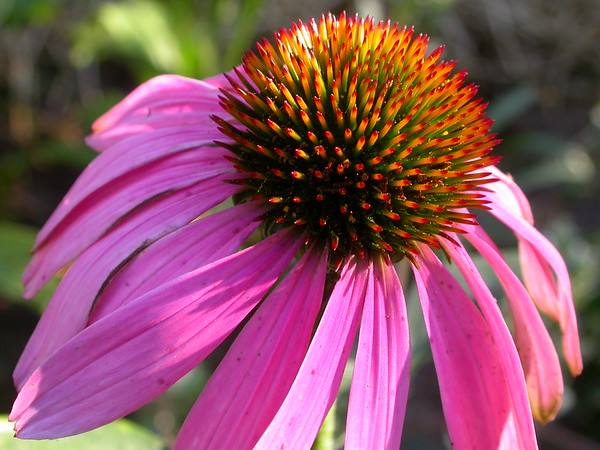
This is the easiest to grow of all the Echinacea species in our area. It is very cold hardy, and sends down a multitude of pencil-sized roots. The bees and butterflies frequent the bright purple flowers. The leaves, flowers, and roots are used in tea and tincture to stimulate the immune response and to support the lymphatic system. Read more